7-Day Anti-Procrastination Plan: Daily Steps to Start
What is the 7 day anti procrastination plan?
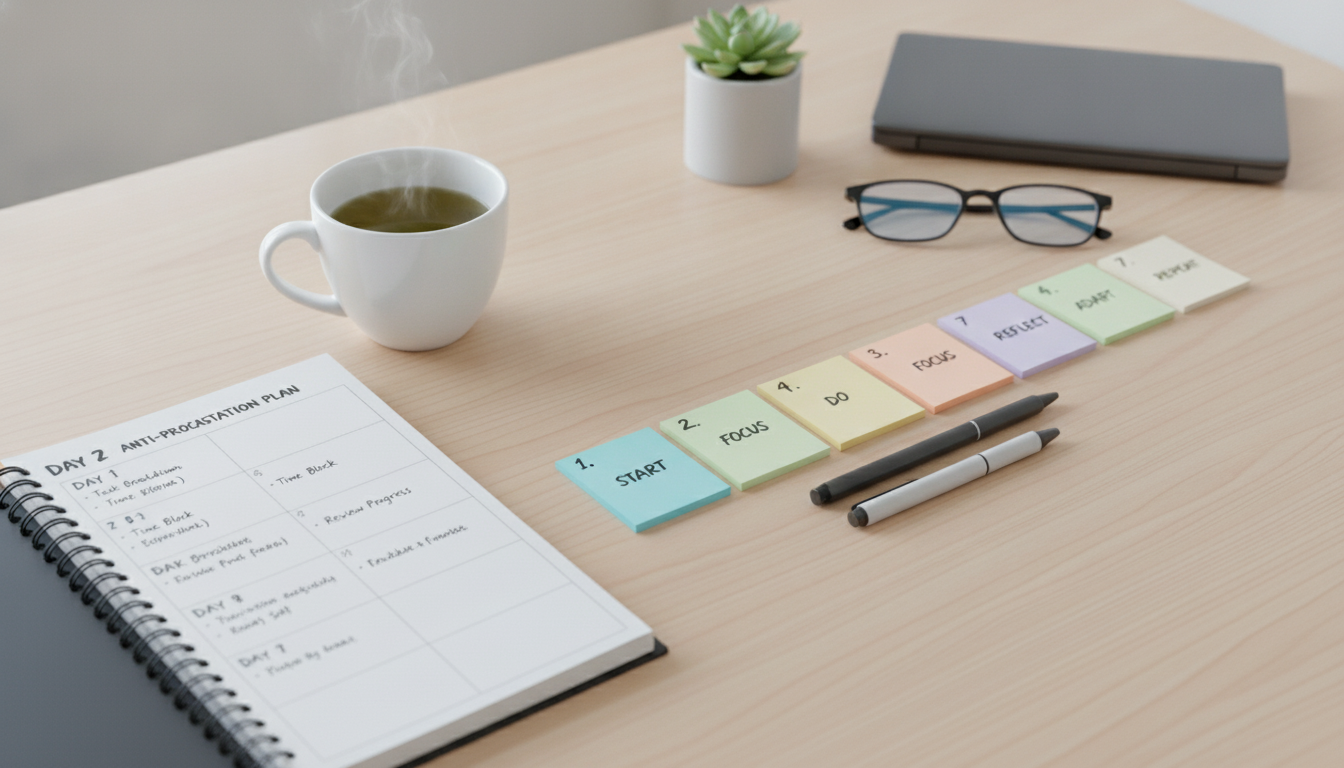
A 7 day anti procrastination plan is a simple, time-boxed reset that builds momentum through small daily actions instead of relying on motivation. Each day focuses on one practical skill—clarifying what matters, lowering the “start” barrier, and creating a repeatable routine—so tasks feel doable and progress becomes visible.
How does a 7-day plan work day by day?
Most 7-day plans follow a steady progression: first you choose a short list of priorities, then you set up a low-friction way to begin, and finally you reinforce consistency. Early days often emphasize quick wins (like completing a 10–15 minute starter step) to break the mental logjam. Midweek typically introduces a structure for planning (daily focus list, time blocks, or “next action” prompts). The last days aim to make the system stick—reviewing what worked, tightening boundaries, and preparing for common derailers.
What should you do during the 7 days?
Keep the plan lightweight and specific. Pick one meaningful task or project, define a clear “next action,” and commit to a short daily work session you can actually repeat. Reduce distractions before you start (close tabs, silence notifications, set a timer), then end each day by writing the next step so tomorrow starts faster. If a day goes off-track, the plan still works—restart with a smaller step rather than trying to “catch up” with an exhausting marathon session.
Where can you find a ready-to-follow 7-day workbook plan?
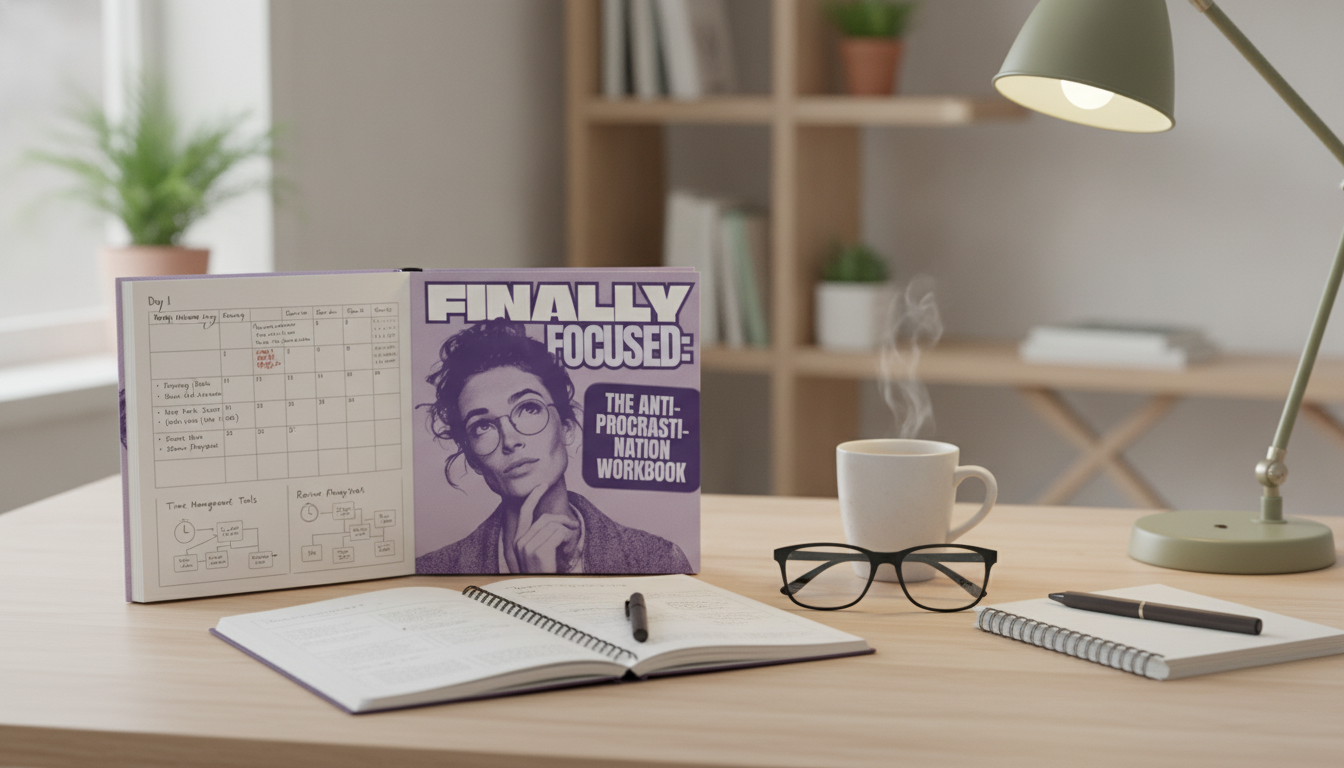
If you want a structured, day-by-day approach with prompts and a simple routine, use this guide: Stop Procrastinating: A 7-Day Workbook Plan for Daily Momentum. It’s designed to help you start quickly, stay consistent, and finish the week with a repeatable system.
FAQ
How do I stop procrastinating when I feel overwhelmed?
Shrink the task until it’s impossible to refuse—choose the smallest next action and do it for 5–10 minutes. Once you start, momentum often replaces overwhelm, and you can decide whether to continue or stop on a clear boundary.










Leave a comment