Decode Dog Body Language: Stress, Play, and Signals
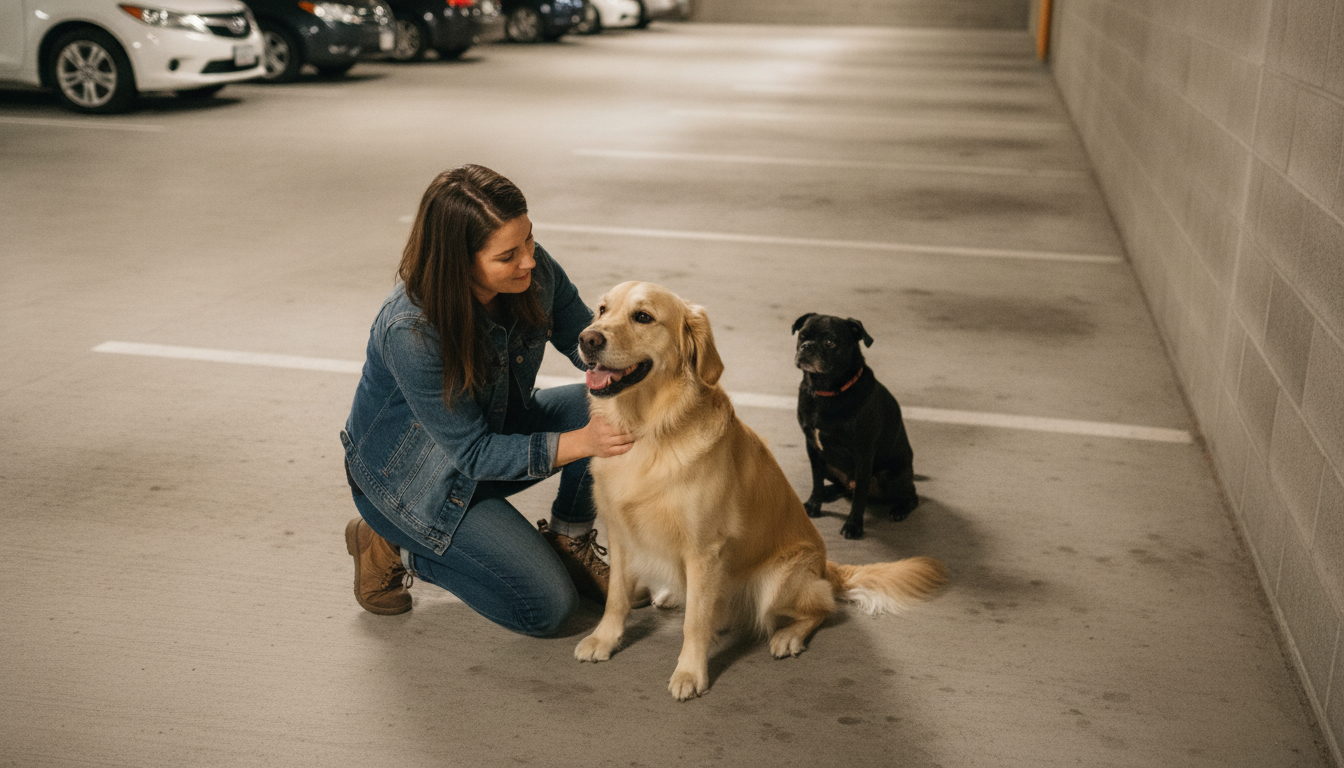
How to speak dog a guide to decoding dog language?
“Speaking dog” starts with noticing patterns, not guessing feelings. Dogs communicate with their whole body at once—face, ears, tail, posture, movement, and even how quickly they change from one signal to another. When those pieces line up, you get a clear message. When they conflict, it usually means the dog is unsure or trying to de-escalate.
Read the whole body, not one feature
A wagging tail doesn’t automatically mean “friendly.” Look at the tail’s height, speed, and stiffness along with the rest of the dog. A loose, wiggly body with a mid-level tail and soft face often signals comfort. A tall, stiff tail paired with a frozen posture can signal tension or arousal—even if the tail is moving.
Facial signals: soft vs. stressed
Relaxed dogs tend to have a loose mouth (sometimes slightly open), natural blinking, and a neutral brow. Stress signals include lip-licking when no food is present, yawning outside of tiredness, a closed tight mouth, or showing the whites of the eyes (“whale eye”). These are often “please give me space” signals rather than “being stubborn.”
Posture and distance are the dog’s punctuation
Leaning in, play bows, and curved approaches are usually friendly invitations. A dog that turns sideways, slows down, sniffs the ground, or arcs away may be trying to keep things calm. If the dog backs up, hides behind you, or repeatedly increases distance, honor that request—space is a powerful way to prevent fear from escalating.
Vocalizations: context matters
Barks, whines, and growls can mean different things depending on the situation. A higher, repetitive bark at the window may be alerting. A low growl near a valued item is often a warning to back off. Treat growling as useful information: it’s a dog communicating before resorting to more serious behavior.
For a deeper breakdown of common signals and how to respond in real-life moments, visit How to Speak Dog: A Guide to Decoding Dog Language.
FAQ
What does it mean when a dog licks its lips?
Lip-licking often signals mild stress, uncertainty, or an attempt to calm a situation—especially if there’s no food around. Pair it with body posture and distance to understand whether the dog needs a break or more space.










Leave a comment