Eco-Friendly Travel Checklist: Pack Light, Waste Less
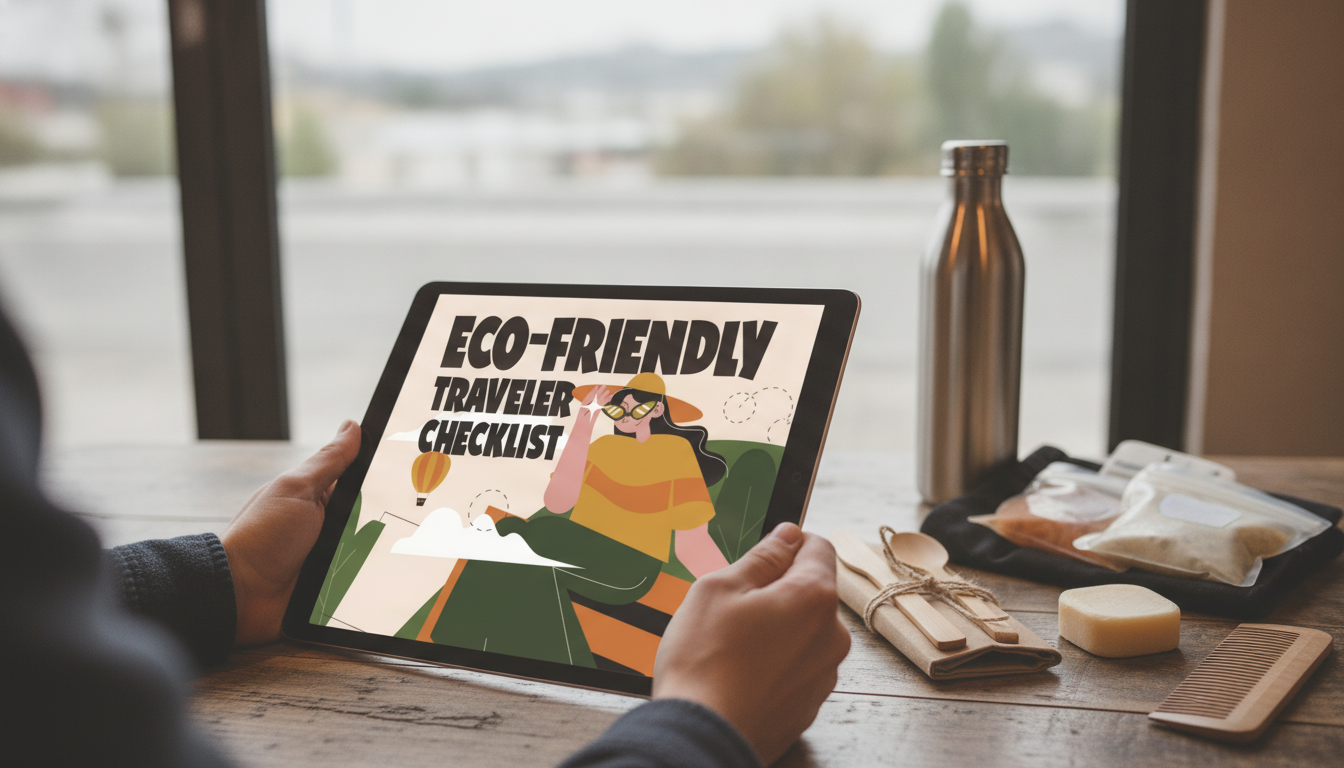
Sustainable travel gets easier when the essentials are decided before the suitcase opens. A practical checklist reduces overpacking, cuts single-use waste, and helps keep routines (water, meals, hygiene, laundry) low-impact on the road. Use the sections below to build a repeatable packing system for flights, road trips, weekends, and long-haul journeys—without sacrificing comfort or convenience.
Start with a low-waste travel plan (before packing)
The lightest, least wasteful trip usually starts with a few decisions made early. Planning reduces “oops” purchases (plastic bottles, extra chargers, emergency toiletries) that add cost and clutter.
- Choose the lowest-impact transport option available: direct routes when flying, trains/buses when practical, or carpooling for short distances. If you want to estimate flight impact and compare options, use the ICAO Carbon Emissions Calculator.
- Pick lodging with clear sustainability signals: towel/linen reuse, refillable toiletries, recycling/compost access, energy-efficient lighting, or published environmental policies (UNEP’s overview of sustainable tourism is a helpful reference point).
- Map refill points and reusables-friendly stops: grocery stores, cafés that accept cups, water refill stations, bulk shops, and farmers markets.
- Set a simple waste goal: examples include “no single-use bottles,” “no disposable cutlery,” or “one small bag of trash total.”
- Build a refill routine: decide when you’ll top up water, snacks, and toiletries to avoid last-minute plastic purchases at airports and convenience stores.
The core zero-waste packing list (carry-on friendly)
This “big impact” kit covers the most common sources of travel waste without turning your bag into a gear closet. Aim for items that are lightweight, durable, and easy to access.
- Hydration: reusable water bottle (plus an optional collapsible backup) and a small clip/carabiner for easy carry.
- Food kit: lightweight container, reusable cutlery, reusable straw (optional), and a cloth napkin—enough to handle most takeout without disposables.
- Shopping: packable tote or foldable bag for groceries, souvenirs, and unexpected needs.
- Personal care: solid shampoo/conditioner bars or refillable minis, bamboo/replaceable-head toothbrush, floss in minimal packaging, reusable makeup rounds (if used).
- Bathroom basics: small bar soap in a travel case, deodorant in refillable or cardboard packaging, and a compact nail/repair kit to extend product life.
- Laundry & stains: small solid laundry soap, stain stick, sink stopper (optional) for sink-washing, plus a quick-dry travel towel (if lodging doesn’t provide towels).
- Tech: rechargeable batteries where possible, multi-port charger, and a power strip to reduce extra adapters and chargers.
Reusable swaps that reduce common travel waste
| Travel moment | Typical disposable | Reusable alternative | Packing tip |
|---|---|---|---|
| Airport/road snacks | Plastic-wrapped snacks | Homemade snacks + container | Pack an empty container for the return trip too |
| Coffee/tea on the go | Single-use cup/lid | Collapsible cup or insulated mug | Store in an outer pocket for quick access |
| Takeout meals | Plastic cutlery + napkins | Cutlery set + cloth napkin | Keep a “food kit” in the day bag |
| Water refills | Single-use bottles | Reusable bottle | Refill after security and before day trips |
| Souvenirs/groceries | Plastic bags | Packable tote | Bring two: one clean, one for messy items |
| Hotel toiletries | Mini bottles | Refillables/solids | Label containers to avoid leaks and waste |
Clothing and footwear: capsule strategy for fewer items
A capsule approach keeps luggage lighter, reduces laundry loads, and makes getting dressed faster—especially when the goal is to re-wear thoughtfully instead of packing duplicates “just in case.”
- Choose a small color palette: aim for 3–5 tops, 2 bottoms, 1 mid-layer, 1 outer layer, and 1–2 pairs of shoes depending on the trip.
- Prioritize quick-dry and long-wear fabrics: fewer washes means less energy, water, and detergent over the length of the trip.
- Use a one-in, one-out rule: if a new “extra” goes in, remove another item to keep the load stable.
- Pack multipurpose pieces: a scarf can double as a blanket, sun cover, or shoulder wrap; a light button-down can work as sun protection and a nicer layer.
- Bring a tiny repair kit: needle/thread, safety pins, and a small patch can prevent an on-the-road replacement purchase.
Toiletries that travel well without plastic overload
Toiletries are where waste (and mess) sneaks in. The most reliable method is to standardize what you bring and refill the same containers each trip.
For quick refreshers on waste sorting and reduction basics while you travel, the U.S. EPA recycling and waste reduction resources are a solid starting point.
On-the-road habits that keep the trip low-impact
Printable and reusable checklist system (digital download option)
If a ready-made format helps, consider the Eco-Friendly Traveler Checklist (digital download)—save it to your phone, print it, or reuse it on a tablet for repeat trips.
For travelers who like structured planning beyond packing, these digital tools can support trip prep and post-trip routines: Budgeting Like a Pro: Complete eBook and Finally Focused: The Anti-Procrastination Workbook.
Common mistakes (and quick fixes)
FAQ
What are the most important items for a zero-waste travel kit?
A small “big impact” set is usually enough: a reusable water bottle, a packable tote, a food container, reusable cutlery, a cloth napkin, and refillable (or solid) toiletries. Choose lightweight or collapsible options so the kit fits carry-on travel and gets used consistently.
Can a sustainable packing list still work for flights and carry-on limits?
Yes—solids replace many liquids, refillable containers reduce the need for travel minis, and a capsule wardrobe keeps clothing minimal. A compact food kit (container + cutlery) adds little bulk while preventing repeated disposable items during transit.
How can travelers reduce waste if hotels and airports rely on single-use items?
Refuse disposables early, then offer your reusable cup, bottle, or cutlery before staff prepares the item. Refill your bottle after security, keep snacks in a container, and use towel/linen reuse options to cut daily housekeeping waste.









Leave a comment