Find Your Next Business Idea: Pain, Proof & Validation
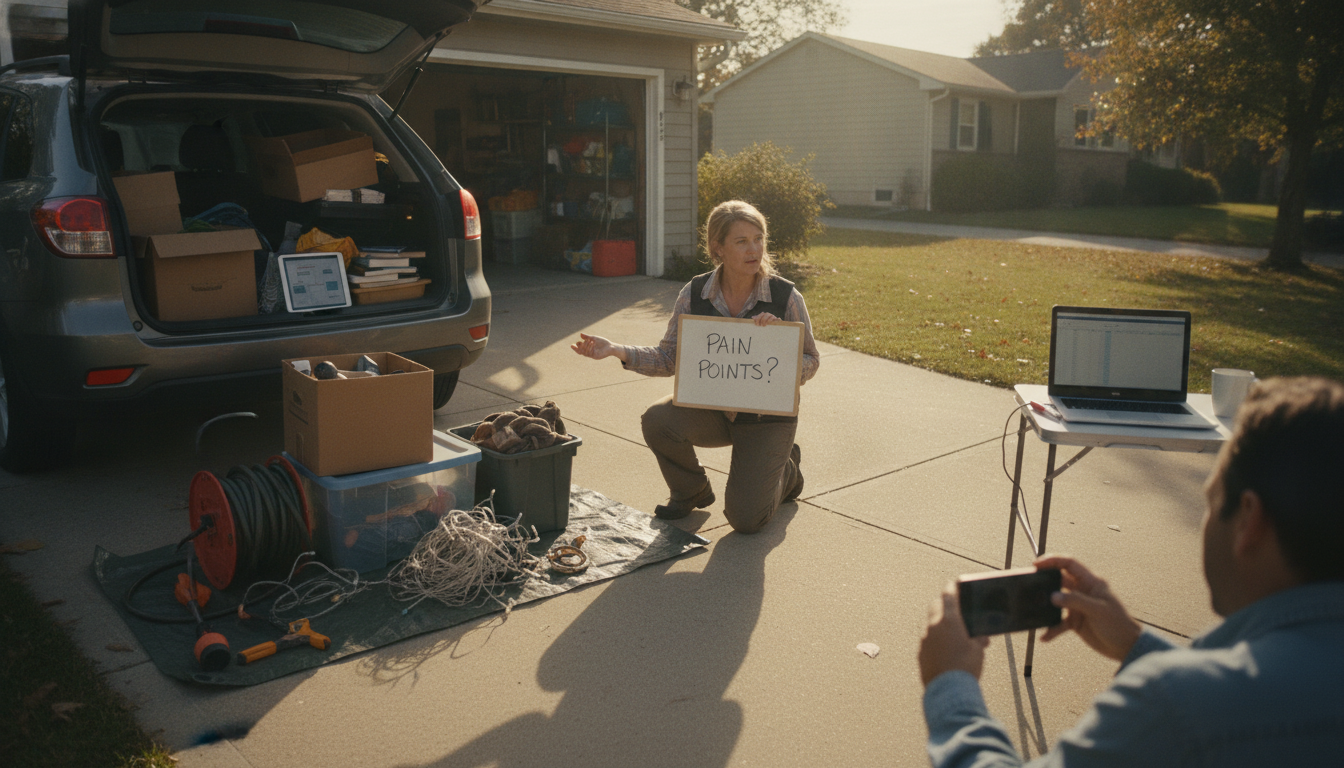
How to find your next business idea?
Finding your next business idea gets easier when it’s based on real signals: what people are trying to do, what frustrates them, and what they’re already paying for. Instead of waiting for inspiration, build a repeatable system that turns everyday observations into a shortlist of testable ideas.
Start with “pain + proof”
Look for problems that are frequent, expensive, or time-consuming. Then add proof: people searching for solutions, complaining in reviews, or cobbling together workarounds. Strong ideas usually show up where pain is obvious and current options feel clunky, overpriced, confusing, or incomplete.
Collect trend signals in the right places
Good sources include product reviews (what’s missing), community forums (repeated questions), social comments (consistent frustrations), and marketplace best-sellers (what’s already moving). Write down the exact words people use; those phrases often reveal the job they’re hiring a product to do.
Turn observations into clear offers
Convert a messy problem into a simple promise: who it’s for, what outcome it delivers, and what makes it easier or faster than alternatives. Aim for a narrow first version that solves one core job exceptionally well.
Validate before you build
Validation can be lightweight: a landing page, a pre-order, a waitlist, or a concierge-style pilot where you manually deliver the result. The goal is to confirm demand and pricing signals before spending heavily on inventory, tooling, or a full build.
For a step-by-step method to capture trend signals, shape them into an offer, and validate an MVP, see this guide on turning trend signals into a validated business idea.
For Find Your Next Business Idea: Pain, Proof & Validation, the best answer depends on fit, material, care instructions, and how the product will be used day to day.
FAQ
How do you validate a business idea quickly without spending much?
Test with a simple landing page and a clear call to action like joining a waitlist, requesting a quote, or placing a refundable pre-order. Pair it with direct outreach to your target customers and track whether they commit time, contact info, or money.












Leave a comment